

Choosing the Perfect Pillow for Sleep
A good night’s sleep is essential for our health and well-being, and having the right pillow can make all the difference. However, with so many options available, choosing the perfect pillow can be overwhelming. This guide will help you understand the different types of pillows, their benefits, and how to select the best one for your needs.
Not all pillows are created equal. They come in various shapes, sizes, materials, and firmness levels. Here’s a comprehensive breakdown of some common types of pillows you might encounter.
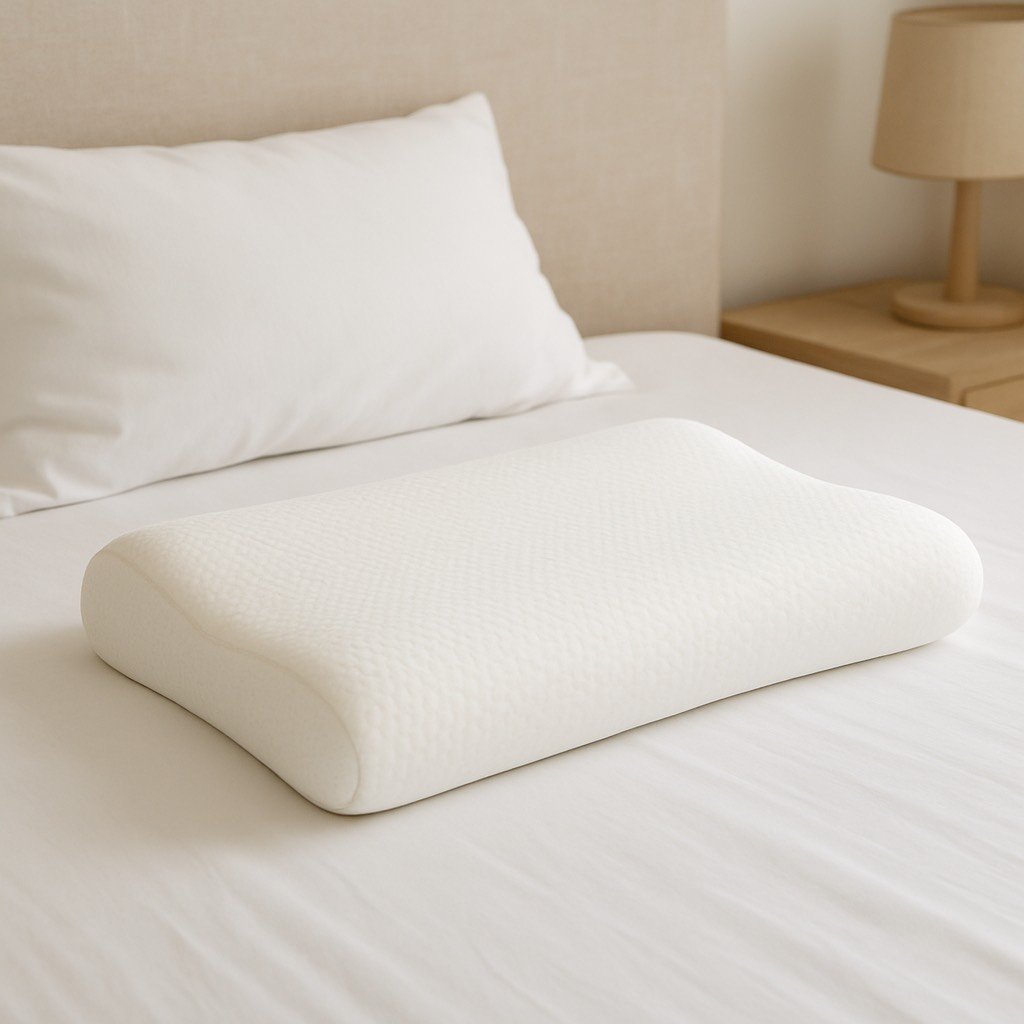
Memory foam pillows are designed to contour to the shape of your head and neck, providing customized support. This unique feature allows for the even distribution of weight across your neck and shoulders, reducing the risk of waking up with aches and pains. Memory foam is known for its ability to relieve pressure points, making it a popular choice for those who suffer from chronic neck pain. Additionally, memory foam pillows come in two main varieties: dense and shredded. Dense memory foam offers a solid, consistent feel, while shredded memory foam allows for a more adjustable experience, enabling users to mold and shape the pillow to their preference.
Beyond their physical benefits, memory foam pillows are often hypoallergenic, which is beneficial for individuals who suffer from allergies. The material is resistant to dust mites and other common allergens, providing a cleaner sleep environment. However, some memory foam pillows can retain heat, so it’s essential to look for options with cooling gel or breathable covers if you tend to sleep hot.
Down Pillows
Down pillows are filled with the soft feathers found underneath the exterior feathers of ducks or geese. These pillows are incredibly soft and luxurious, providing a plush feel that many find irresistible. The unique structure of down feathers allows these pillows to offer excellent insulation, which helps to maintain warmth during colder nights. Despite their softness, down pillows are lightweight, making them easy to adjust and move around during the night.
One of the significant benefits of down pillows is their longevity. When properly cared for, they can last for several years, maintaining their plushness and comfort. However, it’s important to note that they may not be suitable for people with allergies to feathers or those who prefer a firmer pillow. Down pillows require regular fluffing to maintain their loft and can be more expensive than synthetic alternatives.
Feather Pillows
Feather pillows are similar to down pillows but are filled with the exterior feathers. These pillows tend to be firmer than down pillows, offering a good balance between support and softness. The firmer nature of feather pillows makes them ideal for individuals who require more support while sleeping, especially in the neck and shoulder areas. Despite their firmness, feather pillows can still provide a degree of softness, making them comfortable for various sleeping positions.
One of the challenges with feather pillows is the need for regular maintenance. They require frequent fluffing to maintain their shape and loft, which can be a minor inconvenience for some. Additionally, feather pillows can sometimes poke through their covers, which may cause discomfort. To avoid this, consider using a pillow protector or opting for higher-quality feather pillows with reinforced seams.
Latex Pillows
Latex pillows are made from natural or synthetic rubber and are known for their durability, resilience, and firm support. These pillows provide excellent support for the head and neck, helping to maintain proper spinal alignment during sleep. Latex is a naturally breathable material, offering good air circulation, which helps regulate temperature and keep sleepers cool throughout the night.
Another advantage of latex pillows is their hypoallergenic properties. They are resistant to mold, mildew, and dust mites, making them an excellent choice for individuals with allergies or asthma. Latex pillows come in various firmness levels, allowing users to choose one that best suits their comfort preferences. Although latex pillows tend to be more expensive, their durability and benefits often justify the higher cost.
Buckwheat Pillows
Filled with buckwheat hulls, these pillows offer firm support and are highly adjustable. The hulls can be removed or added to achieve the desired loft and firmness, making them customizable for different sleeping positions and preferences. Buckwheat pillows are known for their breathability, as the hulls allow air to circulate freely, providing a cool sleeping surface.
In addition to their cooling properties, buckwheat pillows conform to the shape of the head and neck, providing excellent support and reducing pressure points. This makes them a popular choice for those who experience neck pain or discomfort. However, buckwheat pillows can be somewhat noisy due to the rustling of the hulls, which may take some getting used to. They also tend to be heavier than other pillow types, which can be a consideration for those who prefer lighter options.
Choosing the Right Pillow for Your Sleep Position
Your sleeping position plays a crucial role in determining which pillow is right for you. Here’s how to match your pillow to your preferred sleeping style.
Back Sleepers
Back sleepers need a pillow that supports the natural curvature of the spine. A medium-firm pillow with moderate loft is ideal, as it keeps the head and neck aligned without pushing the head too far forward. This alignment is essential to prevent any strain on the neck and shoulders, leading to a comfortable and restful sleep.
Choosing the right pillow for back sleepers also involves considering the material. Memory foam and latex pillows are often recommended due to their ability to conform to the head and neck, providing consistent support throughout the night. Additionally, some back sleepers may benefit from contour pillows, which have a unique shape designed to cradle the neck and head.
Pillow height, or loft, is another critical factor for back sleepers. A pillow that is too high or too low can disrupt spinal alignment, leading to discomfort. Testing different pillow heights can help determine the best fit, ensuring the pillow provides just the right amount of support.
Side Sleepers
Side sleepers require a thicker, firmer pillow to fill the space between the ear and shoulder. This helps maintain proper spinal alignment and reduces pressure on the neck. Memory foam or latex pillows are often good choices for side sleepers due to their supportive nature and ability to maintain their shape throughout the night.
When selecting a pillow for side sleeping, it’s crucial to consider the firmness level. A pillow that is too soft may not provide adequate support, leading to neck pain and discomfort. Conversely, a pillow that is too firm can create pressure points, causing headaches or soreness. Finding a pillow with the right balance of firmness and softness is key.
In addition to pillow type and firmness, side sleepers should consider using a body pillow for added support. A body pillow can be hugged or placed between the knees, helping to align the spine and reduce strain on the hips and lower back.
Stomach Sleepers
Stomach sleepers need a soft, flat pillow to prevent the head from being pushed too far upward, which can strain the neck. A thin feather or down pillow can provide just the right amount of cushioning without causing discomfort. It’s essential for stomach sleepers to avoid thick or overly firm pillows, as these can lead to misalignment and neck pain.
Choosing the right pillow for stomach sleepers also involves considering the pillow’s breathability. Since stomach sleepers often have their faces close to the pillow, opting for a pillow made from breathable materials, such as cotton or a cooling gel layer, can enhance comfort and prevent overheating.
Another consideration for stomach sleepers is the overall firmness of the mattress. A mattress that is too soft can cause the hips to sink, leading to misalignment. Ensuring both the pillow and mattress are suitable for stomach sleeping can contribute to a more comfortable and restful sleep.
Combination Sleepers
For those who switch positions throughout the night, a versatile pillow that offers adjustable loft and firmness is best. Shredded memory foam or buckwheat pillows allow you to customize the fill to suit your changing needs. These pillowscan be molded and adjusted, providing the right support regardless of sleeping position.
Combination sleepers should look for pillows that offer a balance of support and comfort. A medium-firm pillow with a moderate loft can provide the necessary support for back and side sleeping, while still being soft enough for stomach sleeping. Additionally, pillows with removable inserts or adjustable layers can be tailored to individual preferences.
When selecting a pillow for combination sleeping, it’s also important to consider ease of maintenance. Look for pillowswith removable, washable covers to keep them fresh and clean. This is especially important for combination sleepers who may experience increased wear and tear due to frequent movement.
Additional Considerations

When selecting a pillow, there are a few other factors to keep in mind beyond just the type and sleeping position.
Allergies
If you suffer from allergies, look for hypoallergenic pillows that resist common allergens like dust mites and mold. Latex and synthetic pillows are generally good options for allergy sufferers. These materials are naturally resistant to allergens and provide a cleaner sleeping environment, reducing the risk of allergy flare-ups.
In addition to choosing hypoallergenic materials, consider using pillow protectors or covers that are designed to block allergens. These covers can add an extra layer of protection, ensuring your pillow remains free from dust mites and other irritants. Regularly washing pillowcases and covers is also crucial for maintaining an allergy-friendly sleep environment.
It’s important to note that some hypoallergenic pillows may still cause reactions in highly sensitive individuals. Testing a pillow before making a long-term commitment or consulting with an allergist can help ensure the chosen pillow is suitable for your needs.
Temperature Regulation
Some pillows are specifically designed to keep you cool while you sleep. Look for pillows with breathable materials like latex or buckwheat, or those with cooling gel layers. These features help dissipate heat and promote airflow, creating a cooler sleep surface that can enhance comfort for hot sleepers.
In addition to choosing breathable materials, consider the pillow’s construction. Pillows with perforated or ventilated designs allow for better air circulation, reducing the risk of overheating. Some pillows also include moisture-wicking fabrics that draw sweat away from the skin, keeping you dry and comfortable throughout the night.
For those who experience night sweats or live in warmer climates, investing in a pillow with advanced cooling technology can make a significant difference in sleep quality. These pillows are specifically engineered to regulate temperature, providing a refreshing and cool sleep experience.
Longevity
Consider how long a pillow is likely to last before it needs replacing. Latex and memory foam pillows tend to be more durable, while down and feather pillows may lose their loft over time and require replacement more frequently. When evaluating pillow longevity, consider factors such as material quality, construction, and maintenance requirements.
To extend the life of your pillow, follow care instructions provided by the manufacturer. Regularly fluffing pillows and using protective covers can help maintain their shape and prevent wear and tear. Additionally, replacing pillows every 18-24 months is generally recommended to ensure optimal support and hygiene.
Investing in a high-quality pillow may involve a higher upfront cost, but it can save money in the long run by reducing the need for frequent replacements. Prioritize durability and comfort when selecting a pillow to ensure a restful and rejuvenating sleep experience.
Budget
Pillow prices can vary widely based on the material, brand, and features. Determine your budget beforehand and explore options within your price range. Remember, a higher price doesn’t always equate to better quality. It’s important to balance cost with comfort, support, and durability to find a pillow that meets your needs.
When setting a budget, consider the long-term value of the pillow. Investing in a high-quality pillow that offers excellent support and longevity can be more cost-effective than purchasing cheaper pillows that need frequent replacement. Additionally, look for promotions or discounts that may be available from retailers or manufacturers.
If budget constraints are a concern, consider prioritizing key features that are most important to you, such as support or hypoallergenic properties. This can help narrow down options and ensure you find a pillow that provides the best value for your investment.
Decorative Pillows: Adding Style and Comfort
While choosing the perfect pillow for sleep is crucial, decorative pillows can also enhance your bedroom’s aesthetic and comfort.
Choosing Decorative Pillows
Decorative pillows come in various shapes, colors, and patterns, allowing you to express your personal style. They can add a pop of color to a neutral room or complement your existing decor. When selecting decorative pillows, consider the color scheme and overall design of your bedroom. Coordinating colors and patterns can create a cohesive look that enhances the room’s ambiance.
In addition to aesthetics, consider the material and texture of decorative pillows. Velvet, silk, and linen are popular choices that can add a luxurious touch to your space. Mixing and matching different textures and fabrics can create a dynamic and visually appealing arrangement.
When shopping for decorative pillows, don’t forget to consider their functionality. Choose pillows with removable covers for easy cleaning, and opt for those with durable materials that can withstand everyday use. This ensures your decorative pillows remain both stylish and practical.
Functionality and Style
While primarily used for decoration, these pillows can also add extra comfort when sitting up in bed. Choose pillows with removable covers for easy cleaning, and consider mixing and matching different textures and sizes for a layered look. Layering pillows of varying sizes and shapes can create depth and interest, transforming your bed into a cozy and inviting retreat.
To enhance the functionality of decorative pillows, consider their placement and arrangement. Larger pillows can provide support for sitting or lounging, while smaller pillows can be used as accents. Experiment with different combinations to find a style that suits your preferences and complements your bedroom decor.
In addition to their visual appeal, decorative pillows can contribute to the overall comfort of your space. They can provide extra cushioning for reading or watching TV in bed, making your bedroom a versatile and comfortable environment.
Arranging Decorative Pillows
When arranging decorative pillows, start with larger pillows at the back and layer smaller ones in front. Don’t be afraid to experiment with different arrangements until you find a look that suits your style. Consider the balance and symmetry of the arrangement, and adjust as needed to achieve a harmonious composition.
Creating a focal point with decorative pillows can enhance the overall aesthetic of your bedroom. Use bold colors or patterns to draw attention to a specific area, such as the headboard or a piece of artwork. This can add visual interest and create a cohesive design.
To maintain a fresh and inviting look, regularly update your decorative pillows by changing covers or rotating different styles. This allows you to adapt your decor to seasonal changes or personal preferences, keeping your bedroom dynamic and engaging.
Conclusion
Choosing the perfect pillow is a personal decision that depends on your sleeping position, comfort preferences, and any specific needs such as allergies or temperature regulation. By understanding the different types of pillows and their benefits, you can make an informed decision that leads to better sleep and overall well-being.
Remember, the right pillow can transform your sleep experience, providing the support and comfort you need to wake up feeling refreshed and rejuvenated. Happy sleeping!