


Innerspring Mattress vs. Memory Foam: Which Wins?
When it comes to choosing a mattress, the decision often narrows down to two popular types: innerspring mattresses and memory foam mattresses. Both have their distinct advantages and appeal to different types of sleepers. In this article, we will delve deeply into these two mattress types, examining their features, benefits, and potential drawbacks to help you decide which one is the best fit for your sleep needs.
Innerspring mattresses have been around for over a century, making them one of the most traditional mattress types. Often referred to as coil spring mattresses or traditional innerspring mattresses, these mattresses are constructed with a series of metal springs or coils that provide support and firmness.
Features of Innerspring Mattresses
- Support and Firmness: Innerspring mattresses are renowned for their robust support due to the coil system. The interconnected coils offer a stable and firm surface, which is essential for maintaining spinal alignment during sleep. This makes them an excellent choice for those who prefer a firmer sleeping surface or need extra support for their back. Additionally, firmer mattresses are often recommended for individuals with back pain, as they can prevent excessive sinking and promote a healthier posture.
- Breathability: One of the standout features of innerspring mattresses is their breathability. The space between the coils allows for better airflow, which helps keep the mattress cool throughout the night. This is particularly beneficial for hot sleepers who struggle with heat retention during sleep. The enhanced airflow not only contributes to a cooler sleep experience but also helps in reducing the buildup of moisture and mildew, promoting a fresher sleeping environment.
- Variety: Innerspring mattresses come in a wide range of options, including pillow top innerspring mattresses, king innerspring mattresses, and queen innerspring mattresses, each offering different levels of comfort and support. Pillow top models provide an additional layer of cushioning for those who desire a softer surface, while standard models offer a more traditional, firm feel. The variety ensures that there is an innerspring mattress suitable for virtually every preference and sleeping style.
- Durability: With proper care, a good innerspring mattress can last for many years, especially if it’s a best-rated coil mattress or a best-quality innerspring mattress. Their longevity can often be attributed to the robust construction of the coils and the materials used in their manufacture. Regular rotation and using a mattress protector can further extend the lifespan of an innerspring mattress, making it a cost-effective long-term investment.
Benefits of Choosing an Innerspring Mattress
- Affordability: Innerspring mattresses are generally more budget-friendly compared to memory foam mattresses. This affordability makes them a popular choice for those looking to invest in a quality mattress without overspending. Many people find that innerspring mattresses offer excellent value for money, given their durability and comfort.
- Range of Options: From the best pocket coil mattress to the best firm innerspring mattress, there’s an innerspring option for everyone. Pocket coil mattresses, for instance, offer enhanced motion isolation as each coil moves independently, minimizing disturbances. Whether you prioritize firmness, softness, or a balance of both, the innerspring category has a model to suit your needs.
- Bounce: If you prefer a mattress with some bounce, the traditional spring mattress offers this due to its coil construction. The bounce can add a level of responsiveness that many sleepers appreciate, especially those who do not enjoy the sinking feeling associated with some foam mattresses. This feature can also make it easier to move on the mattress, which can be advantageous for combination sleepers.
Understanding Memory Foam Mattresses
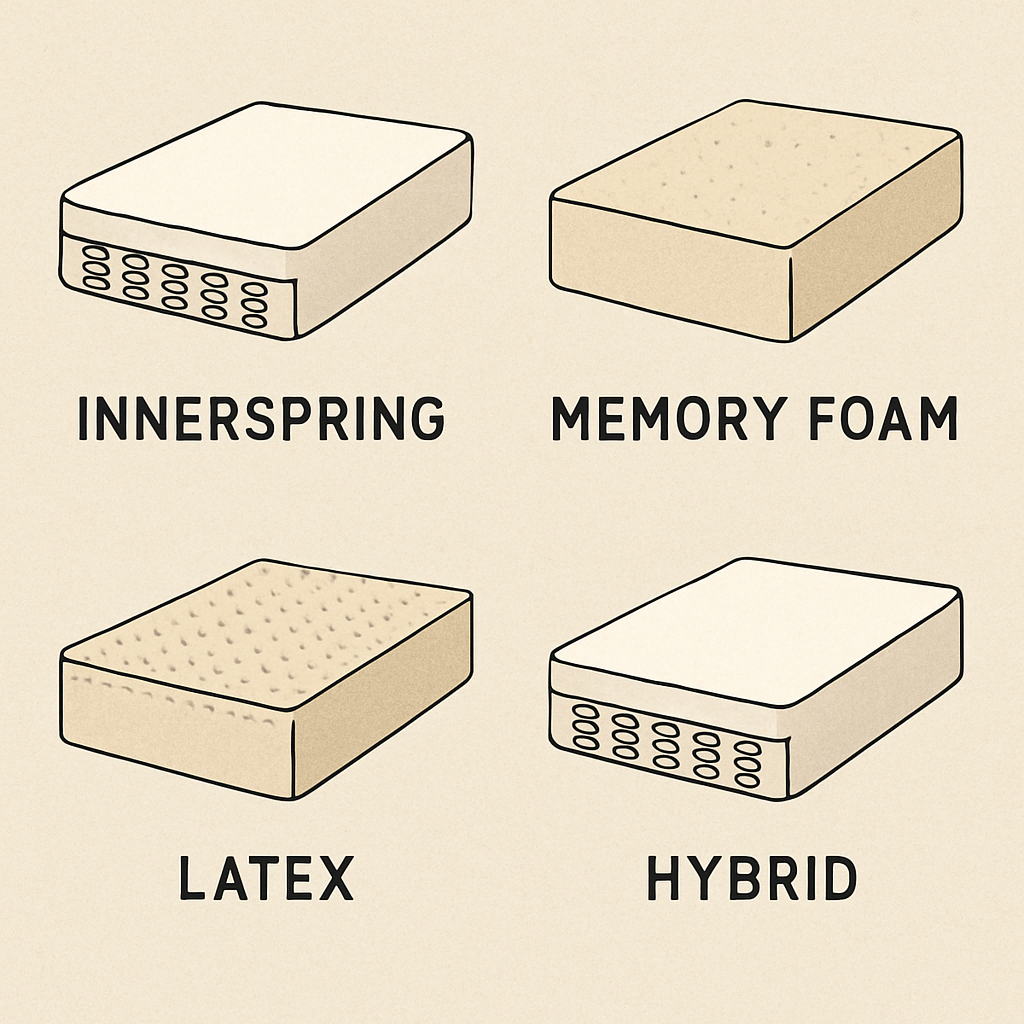
Memory foam mattresses, on the other hand, are relatively newer and have gained popularity for their comfort and contouring abilities. These mattresses are designed to conform to the shape of your body, providing personalized support.
Features of Memory Foam Mattresses
- Pressure Relief: Memory foam excels at relieving pressure points by distributing body weight evenly across the mattress surface. This can be particularly beneficial for side sleepers, as it helps reduce stress on the hips and shoulders. The material’s ability to conform to the body’s curves allows for a more even distribution of weight, which can prevent the development of pressure sores and reduce discomfort during sleep.
- Motion Isolation: One of the standout features of memory foam mattresses is their ability to minimize motion transfer. This makes them ideal for couples who do not want to be disturbed by each other’s movements during the night. The foam absorbs and isolates motion, ensuring that you remain undisturbed even if your partner tosses and turns.
- Body Contouring: Memory foam adapts to the body’s shape, offering a snug, cradling feel that many people find comforting. This contouring effect provides a sense of enveloping support, which can enhance relaxation and improve sleep quality. The sensation of being cradled can also contribute to a sense of security, which is particularly beneficial for individuals who experience anxiety or restlessness at night.
- Hypoallergenic Properties: Many memory foam mattresses are manufactured with hypoallergenic materials, making them resistant to common allergens such as dust mites and mold. This can be a significant advantage for individuals who suffer from allergies, as it helps create a cleaner and healthier sleep environment. Regular cleaning and the use of a hypoallergenic mattress cover can further enhance these properties.
Benefits of Choosing a Memory Foam Mattress
- Comfort: For those who enjoy a mattress that molds to their body, memory foam is a top contender. The personalized support and cushioning effect can significantly enhance comfort, making it easier to achieve a restful night’s sleep. The adaptive nature of memory foam means it provides consistent support, irrespective of sleeping position.
- Pain Relief: The contouring nature of memory foam can help alleviate pain in sensitive areas like the hips and shoulders. By reducing pressure points and supporting the natural alignment of the spine, memory foam mattresses can contribute to pain relief and muscle relaxation. For individuals with chronic pain conditions, this can lead to a noticeable improvement in sleep quality and overall well-being.
- Minimal Noise: Unlike coil mattresses, memory foam does not make noise when you move. This silence can be particularly beneficial for light sleepers who are easily disturbed by noise. The absence of squeaks and creaks can contribute to a more peaceful sleeping environment, enhancing the overall sleep experience.
Comparing Innerspring and Memory Foam
Support and Comfort
Innerspring mattresses provide a firmer support due to their coil-based construction. They are ideal for those who need a sturdy mattress to maintain good posture, like posture innerspring mattresses. Memory foam, however, offers a softer, more contouring support that adapts to your body’s curves. The choice between the two often depends on personal comfort preferences and specific support needs.
Temperature Regulation
Innerspring mattresses generally offer better temperature regulation due to the airflow between the coils. This makes them a preferred choice for those who tend to sleep hot. Memory foam can retain heat, making it less suitable for hot sleepers unless it is specifically designed with cooling technology. Innovations such as gel-infused foam and open-cell structures have been developed to address this issue, providing a cooler sleep surface.
Motion Isolation
Memory foam is superior in motion isolation. If you share a bed and are sensitive to movements, a memory foam mattress might be the better choice. The ability to absorb motion ensures that disturbances are minimized, providing a more restful sleep for both partners. Innerspring mattresses, while offering some degree of motion isolation, typically transfer more movement due to their interconnected coil systems.
Price Point
Innerspring mattresses tend to be more affordable, offering a variety of options like non-foam mattress types and traditional mattress styles without breaking the bank. This affordability makes them an attractive option for budget-conscious buyers. Memory foam mattresses, while generally more expensive, can be found at various price points, allowing for budget-friendly selections that do not compromise on quality.
Choosing the Right Mattress for You

When deciding between an innerspring and memory foam mattress, consider your personal sleeping preferences and needs. Here are some factors to help guide your decision:
- Sleeping Position: Side sleepers might prefer memory foam for its contouring support, while back and stomach sleepers may benefit from the firmness of an innerspring mattress. Understanding your sleeping position can help you choose the right mattress type that will provide optimal support and comfort.
- Temperature Preference: If you tend to sleep hot, an innerspring mattress might be more comfortable. Conversely, if you enjoy a warmer sleeping environment, a memory foam mattress could be ideal. Assessing your temperature preferences can lead to a more comfortable and satisfying sleep experience.
- Budget: Consider your budget constraints. Innerspring mattresses are typically more affordable, but there are also budget-friendly memory foam options available. Evaluate the long-term value and potential investment in your sleep health when setting a budget.
- Health Needs: If you have specific health needs, such as back pain or allergies, it’s crucial to choose a mattress that provides the necessary support and comfort. Consulting with healthcare professionals or conducting thorough research can ensure that you select a mattress that aligns with your health requirements.
- Trial Period and Warranty: Many mattress companies offer trial periods and warranties, allowing you to test the mattress in your home. Take advantage of these offers to ensure your chosen mattress meets your expectations and provides the comfort and support you need.
Conclusion: Innerspring vs. Memory Foam
Both innerspring and memory foam mattresses have their unique advantages. The best choice ultimately depends on your individual sleep needs and preferences. Whether you choose the traditional support of a coil mattress or the modern comfort of memory foam, the goal is to find a mattress that offers a restful and rejuvenating night’s sleep.
Remember, the best mattress for you is one that meets your comfort, support, and budgetary needs, ensuring you wake up refreshed and ready for the day. Prioritizing quality sleep is an investment in your health and well-being, and selecting the right mattress is a crucial step in achieving that goal.