

Table of Contents
Expert Recommendations for Back-Friendly Beds
Back pain is a pervasive issue that affects millions of people worldwide, often disrupting daily life and diminishing the quality of sleep. One crucial factor that can help alleviate back pain is choosing the right bed. In this comprehensive guide, we will delve deeper into expert recommendations on selecting the best bed to support your back and improve your overall sleep quality.
Before diving into bed options, it’s essential to understand how back pain and sleep are interconnected. A good night’s sleep is vital for healing and repairing the body. However, if you’re sleeping on an unsupportive bed, it can worsen your back pain, leading to a vicious cycle of discomfort and restless nights.
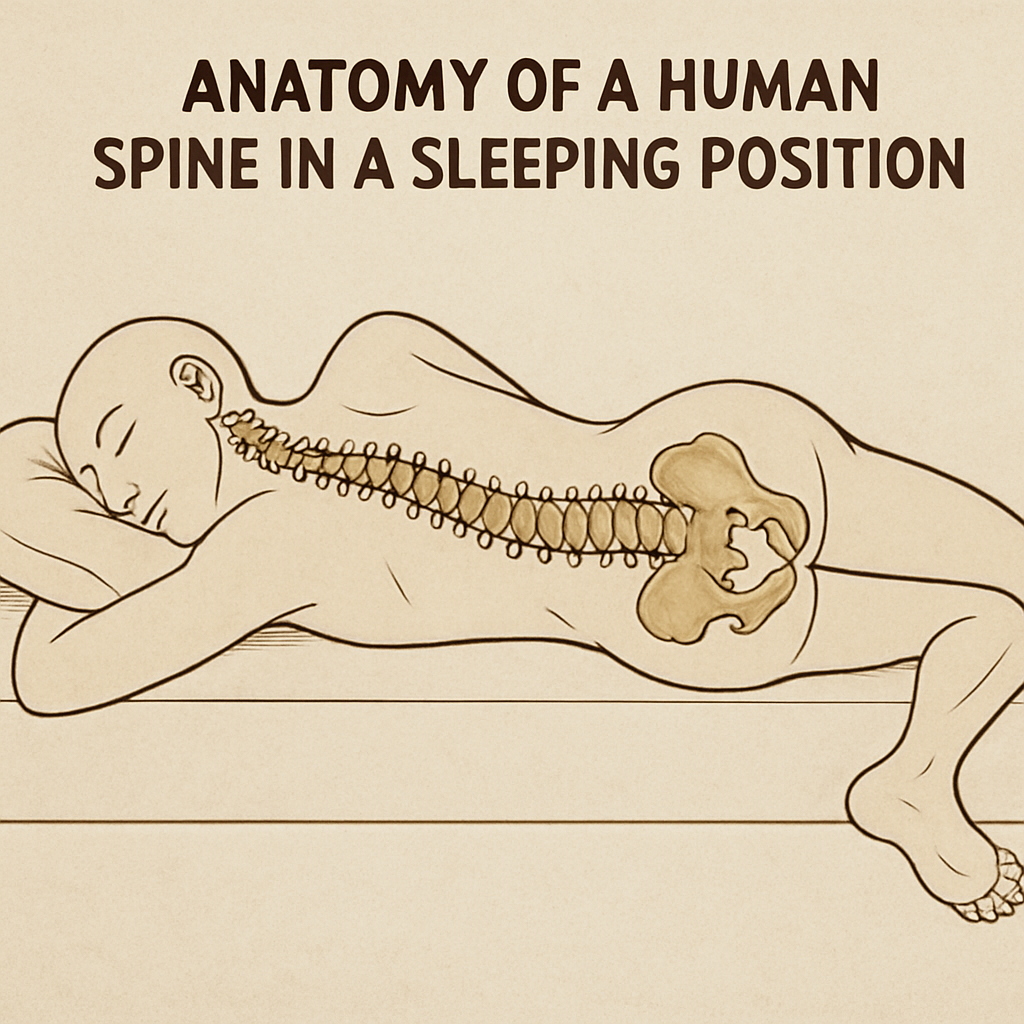
Exploring the Physiology of Back Pain
Back pain can stem from a variety of physiological issues. For many, it might be a result of muscle imbalances, spinal misalignment, or nerve impingement. These issues can be exacerbated by prolonged periods of poor posture during the day. Understanding the underlying causes of back pain can guide you in making informed choices about your sleeping environment and overall lifestyle.
The Role of Sleep in Recovery
Sleep is a critical period when your body undergoes repair and regeneration. During deep sleep, your body releases growth hormones that aid in tissue repair, including muscles and ligaments supporting your spine. However, inadequate sleep due to discomfort can hinder this recovery process. Therefore, creating an optimal sleep environment is crucial for those with chronic back pain.
The Sleep-Back Pain Cycle
Back pain and sleep deprivation often create a cycle where pain leads to poor sleep, and poor sleep exacerbates pain. This cycle can be difficult to break without addressing both components. By selecting a supportive bed and adopting healthy sleep practices, you can improve your sleep quality, thereby reducing the intensity of back pain over time.
What Type of Bed is Best for a Bad Back?
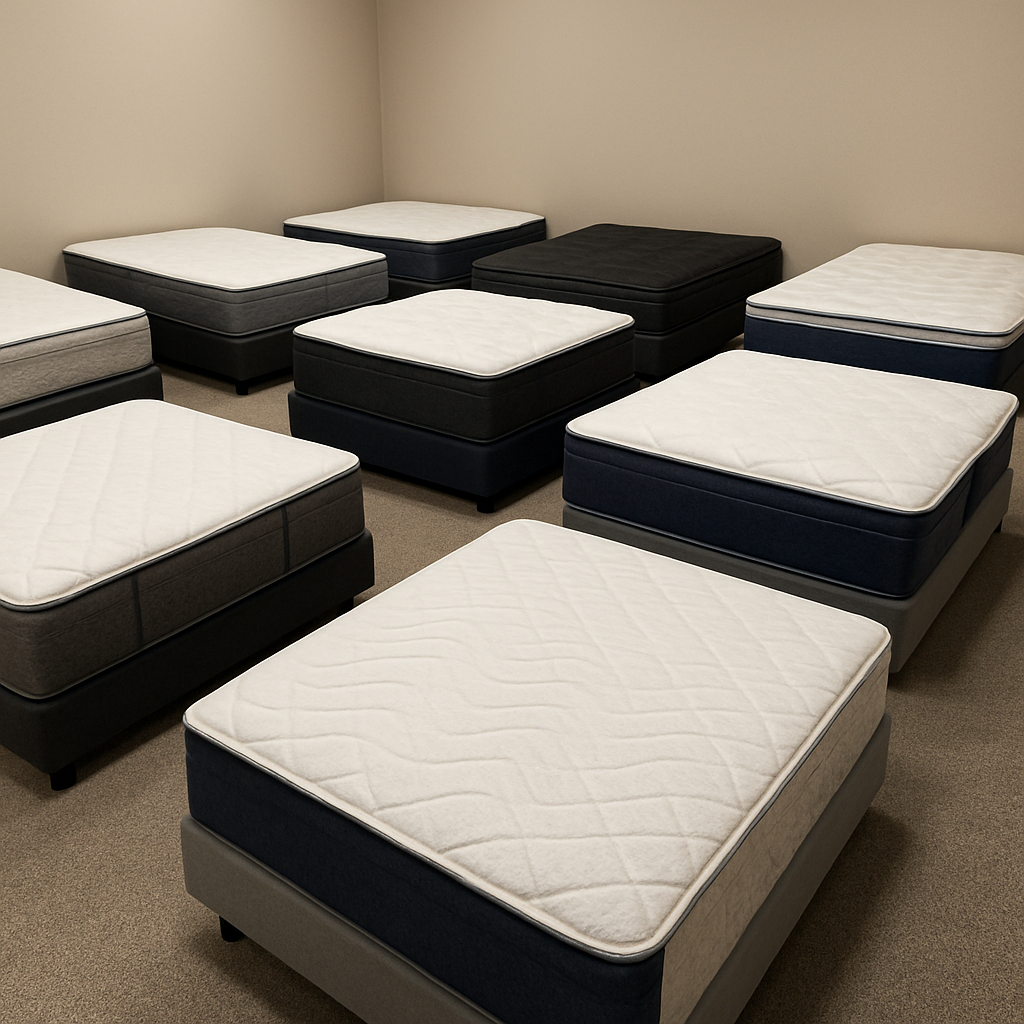
Choosing the right bed involves considering several factors, including mattress type, firmness, and your sleeping position. Here are the most common mattress types and their benefits for back pain relief:
Memory Foam Mattresses: Contouring and Support
Memory foam mattresses are renowned for their ability to contour to the body’s shape, providing personalized support and pressure relief. They distribute weight evenly, reducing pressure points on the back. This type of mattress is especially beneficial for those with joint issues, as it minimizes movement transfer and adapts to different sleeping positions. However, it’s important to consider the density and thickness of the foam to ensure optimal support.
Latex Mattresses: Durability and Comfort
Latex mattresses offer a unique combination of support and comfort. Known for their durability, latex mattresses can maintain their shape over time, making them a long-term investment for back health. Additionally, latex is naturally hypoallergenic and resistant to dust mites, which is ideal for allergy sufferers. The responsiveness of latex also ensures that it provides adequate support without feeling too firm.
Innerspring Mattresses: Traditional Support
Innerspring mattresses, featuring coil-based support, are traditional and widely available. They provide good support and are often more affordable than other mattress types. However, they may not contour as well as memory foam or latex mattresses, which can be a drawback for some individuals with back pain. To enhance comfort, consider a pillow-top or euro-top layer for added cushioning without sacrificing support.
Hybrid Mattresses: Versatile Solutions
Hybrid mattresses combine the benefits of different materials, such as memory foam or latex with innerspring coils. This combination provides support, comfort, and pressure relief, making them a versatile option for back pain sufferers. Hybrids offer the contouring benefits of foam with the structural support of coils, catering to a wide range of sleeping preferences and needs.
Choosing the Right Firmness Level

The firmness level of a mattress plays a crucial role in supporting your back. The ideal firmness depends on your body weight, sleeping position, and personal preference.
Soft Mattresses: Comfort for Side Sleepers
Soft mattresses can be incredibly comfortable for side sleepers as they allow the shoulders and hips to sink in, promoting better spinal alignment. However, they may not provide enough support for stomach or back sleepers, who may experience excessive sinking. For those who prefer a softer feel, consider adding a mattress topper to increase plushness without sacrificing support.
Medium-Firm Mattresses: Balanced Support
Medium-firm mattresses are often recommended for individuals with back pain as they offer a balance between support and comfort. They accommodate various sleeping positions and provide adequate spinal alignment. This firmness level is ideal for couples with different sleeping preferences, as it offers a middle ground that caters to multiple needs.
Firm Mattresses: Support for Back and Stomach Sleepers
Firm mattresses are suitable for back and stomach sleepers who require more support to maintain a neutral spine position. They prevent excessive sinking, which is crucial for reducing strain on the lower back. For those who find firm mattresses too hard, consider using a softer pillow or mattress pad to enhance comfort.
Best Sleeping Positions for Back Pain
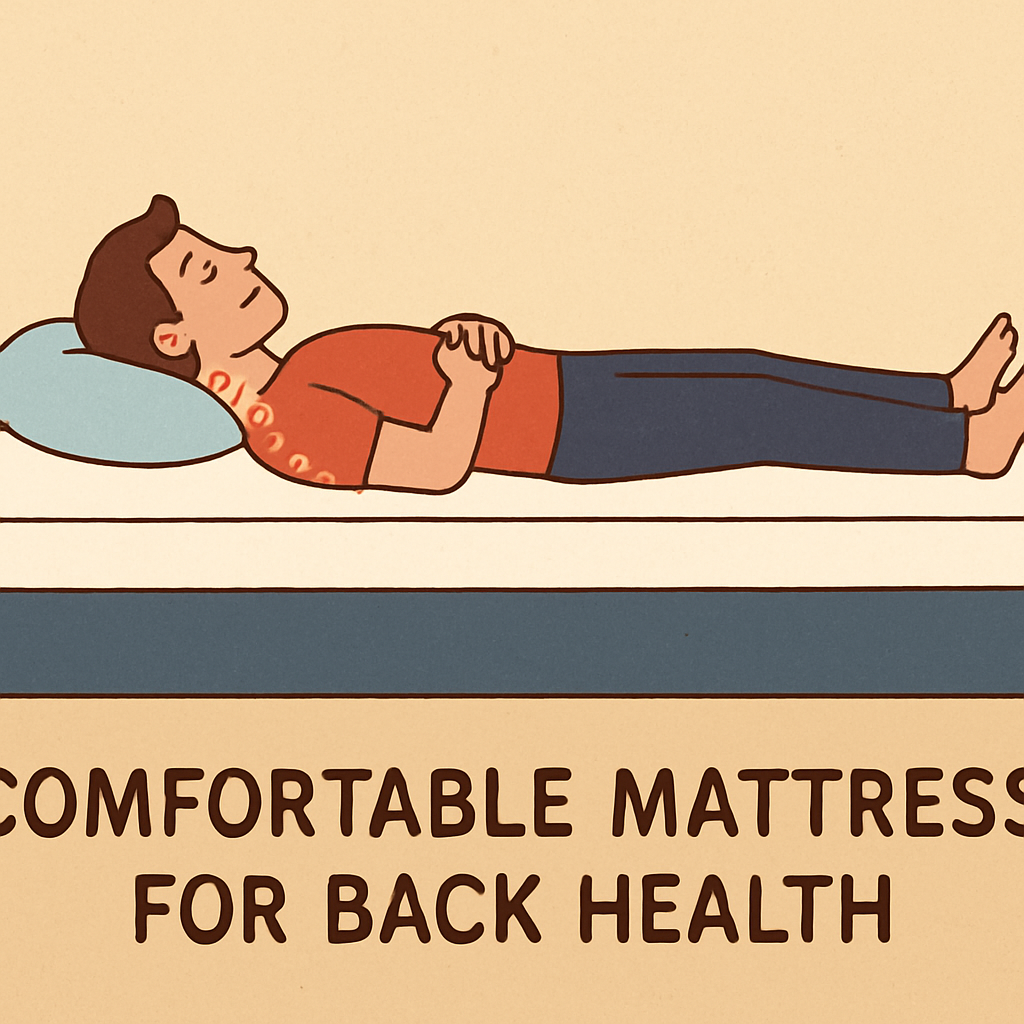
Your sleeping position can significantly impact your back health. Here are some expert recommendations for different sleeping positions:
Back Sleepers: Maintaining Alignment
For back sleepers, a medium-firm mattress is ideal. Placing a pillow under your knees can help maintain the natural curve of your spine, reducing pressure on the lower back. Additionally, using a supportive pillow for your neck can prevent misalignment and promote a restful night’s sleep.
Side Sleepers: Cushioning and Alignment
Side sleepers should opt for a softer mattress to cushion the shoulders and hips. Placing a pillow between your knees can also help align the spine, reducing strain on the lower back. It’s essential to ensure that your head pillow maintains your neck’s natural alignment to avoid added tension.
Stomach Sleepers: Preventing Sinking
Stomach sleepers should choose a firmer mattress to prevent their midsection from sinking, which can lead to strain on the spine. Placing a pillow under the pelvis can help reduce pressure on the back. It’s also advisable to use a thin pillow for the head to maintain proper neck alignment.
Additional Tips for Reducing Back Pain
Apart from selecting the right bed, consider these additional tips to minimize back pain:
Regular Exercise: Strengthening and Flexibility
Engaging in regular physical activity, such as stretching and strengthening exercises, can improve your back health and reduce pain. Exercises like yoga and pilates can enhance flexibility and core strength, supporting the spine and reducing the risk of injury. Consult with a healthcare professional to develop a tailored exercise plan that suits your needs.
Proper Pillow Support: Enhancing Sleep Posture
Choosing the right pillow can enhance your sleeping posture. Ensure your pillow supports the natural curve of your neck, whether you sleep on your back, side, or stomach. Consider adjustable pillows that allow you to customize height and firmness for optimal support.
Mattress Replacement: Knowing When to Upgrade
If your mattress is over seven years old or showing signs of wear and tear, it might be time for a replacement. A new mattress can provide the support and comfort needed for a good night’s sleep. Regularly assessing your mattress’s condition can help you determine the right time to invest in a new bed.
Conclusion
Choosing the best bed for back pain involves understanding your specific needs and preferences. Whether you prefer memory foam, latex, innerspring, or hybrid mattresses, the key is to find a bed that offers adequate support and comfort for your back. By selecting the right mattress and maintaining a healthy lifestyle, you can reduce back pain and enjoy restful sleep. Remember, investing in a quality bed is an investment in your overall health and well-being. Prioritize your sleep environment and consider professional guidance if needed to ensure a pain-free and rejuvenating sleep experience.