

This post contains affiliate links. If you purchase through our links, we may earn a commission at no extra cost to you.
Cotton Mattress vs. Memory Foam: Which Wins?
When it comes to choosing a mattress, you have plenty of options. Two popular choices are cotton mattresses and memory foam mattresses. Both types offer unique benefits, but which one is right for you? In this article, we’ll explore the features of each to help you make an informed decision. Understanding the distinct characteristics and benefits of each type can guide you in selecting a mattress that aligns with your sleep needs and lifestyle preferences.
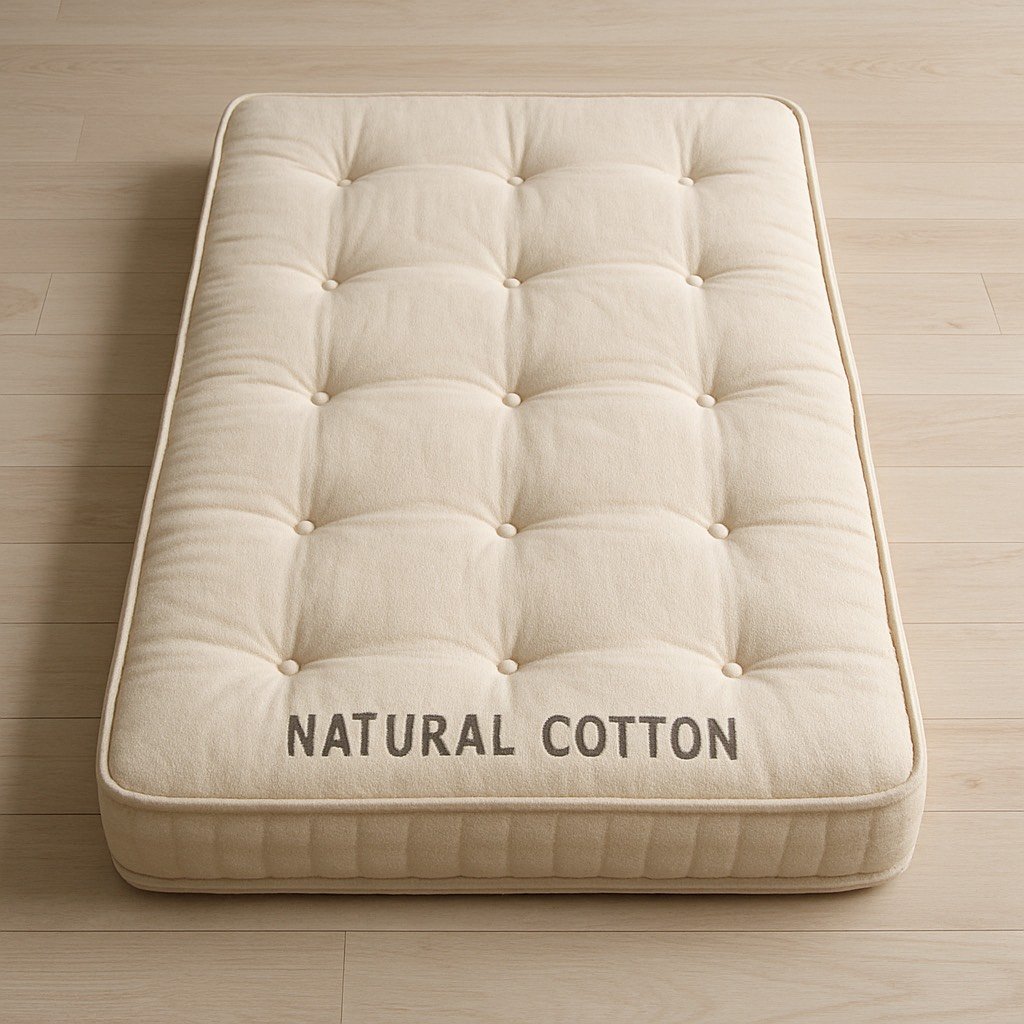
Cotton mattresses, especially those made from organic cotton, have been around for centuries. They are known for their comfort and breathability. The use of natural fibers means that these mattresses are not only environmentally friendly but also offer a traditional sleeping experience that many find appealing. Historically, cotton has been a staple in bedding materials due to its availability and natural properties, making it a trusted choice for those who prioritize health and sustainability.
Benefits of Cotton Mattresses
- Natural and Eco-Friendly: Cotton is a natural material. An organic cotton mattress is free from synthetic chemicals and pesticides, making it an eco-friendly choice. For environmentally conscious consumers, this means less impact on the planet and the assurance of sleeping on a chemical-free surface. Additionally, the production of organic cotton supports sustainable farming practices, which contribute to better environmental health.
- Breathability: Cotton allows air to circulate, which can help regulate body temperature and provide a cooler sleep experience. This breathability is particularly beneficial for those who tend to sleep hot or live in warmer climates. A cooler sleep environment can lead to better rest and overall improved sleep quality, as it reduces the likelihood of waking up due to overheating.
- Hypoallergenic: Natural cotton mattresses are often hypoallergenic, reducing the risk of allergic reactions for sensitive sleepers. This is especially important for individuals with respiratory issues or skin sensitivities. By choosing a hypoallergenic mattress, sleepers can minimize potential health issues related to allergens like dust mites and mold.
- Durability: With proper care, cotton mattresses can last for many years. Regular maintenance, such as flipping and rotating the mattress, can extend its lifespan. A durable mattress is a wise investment, as it provides consistent comfort and support without the need for frequent replacements.
Potential Drawbacks
While cotton mattresses have many benefits, there are some downsides to consider. They can be heavier and more difficult to move, which might be a concern for those who rearrange their furniture frequently or live alone. Additionally, they may not offer the same level of support as more modern materials, potentially leading to discomfort for those with specific orthopedic needs. Over time, cotton can compress, which might require more frequent maintenance to maintain its shape and support.
Memory Foam Mattresses Explained
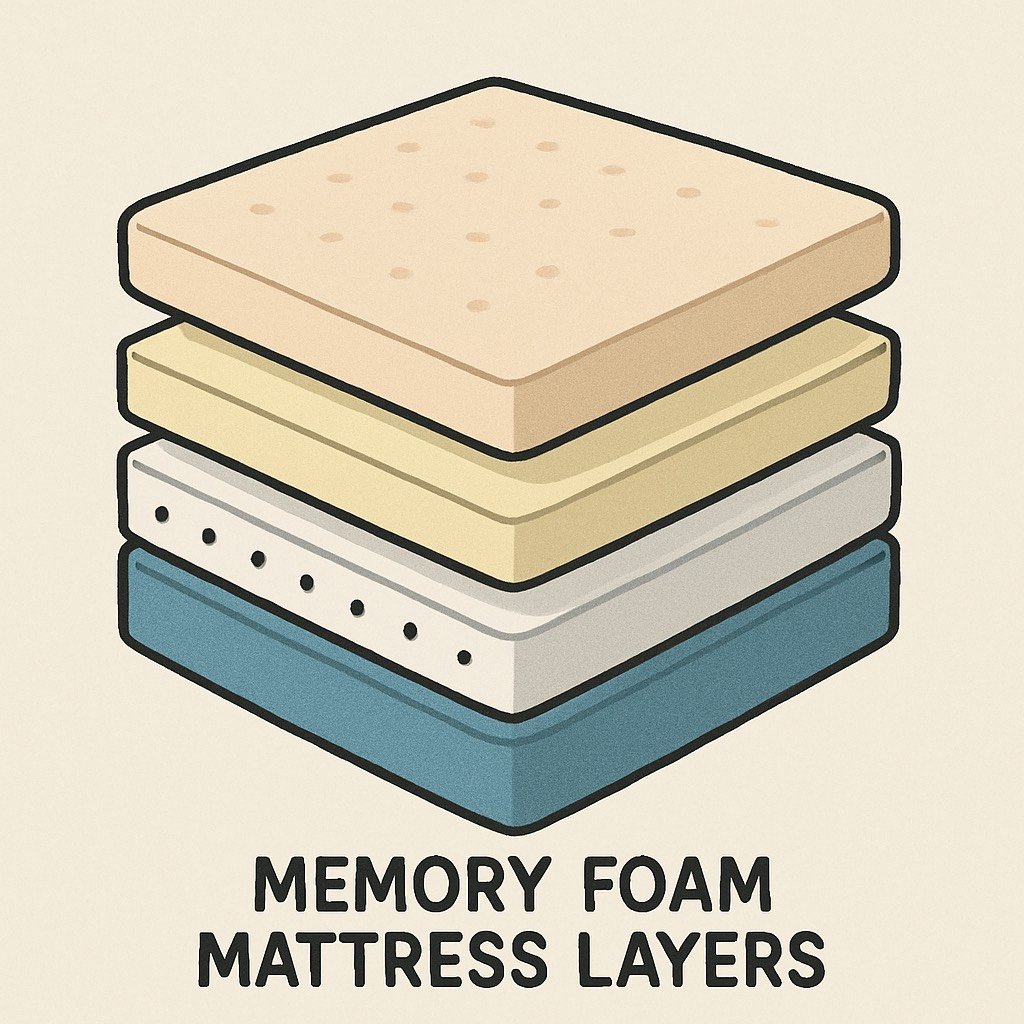
Memory foam mattresses have gained popularity in recent years. They are made from a type of polyurethane and are known for their ability to contour to the body. This material was initially developed by NASA to improve the comfort and safety of aircraft cushions, which speaks to its innovative design. The adaptability of memory foam makes it a preferred choice for those seeking personalized comfort and pressure relief.
Benefits of Memory Foam Mattresses
- Pressure Relief: Memory foam conforms to your body, providing support where you need it most and relieving pressure points. This can be particularly beneficial for those who experience joint pain or discomfort while sleeping. By evenly distributing body weight, memory foam helps to alleviate stress on pressure-sensitive areas, promoting a more restful sleep.
- Motion Isolation: If you share your bed, memory foam can help reduce the transfer of motion. This means you won’t be disturbed by a partner moving during the night. For couples, this feature can significantly improve sleep quality, as it minimizes disturbances from tossing and turning.
- Support: Memory foam offers consistent support, which can be beneficial for those with joint pain or back issues. The material’s ability to conform to the body’s shape provides a customized support system that can aid in spinal alignment and reduce back pain. This makes it an attractive option for individuals with chronic pain conditions or specific support needs.
Potential Drawbacks
Memory foam mattresses can retain heat, making them warmer than other options. This can be a disadvantage for those who tend to overheat during the night. However, many manufacturers are now incorporating cooling technologies, such as gel-infused foam, to mitigate this issue. Some people also find the material to be too soft, lacking the firmness they prefer, or notice an off-gassing odor when new, which may be bothersome for those sensitive to smells.
Comparing Cotton and Memory Foam
When deciding between a cotton mattress and a memory foam mattress, consider the following factors: comfort, temperature regulation, health concerns, and durability. Each of these aspects plays a crucial role in determining which mattress type will best suit your needs and enhance your sleep quality.
Comfort and Support
- Cotton Mattresses: Provide a natural, breathable sleeping surface. They may not offer the same level of contouring as memory foam but are often preferred for their traditional feel. The natural resilience of cotton can provide a gentle support that some find more comfortable than the firm hold of memory foam.
- Memory Foam Mattresses: Offer superior contouring and support, ideal for those needing pressure relief. The ability to mold to the body’s shape can create a feeling of being cradled, which many find enhances comfort and reduces discomfort from pressure points.
Temperature Regulation
- Cotton Mattresses: Naturally breathable, making them a cooler option for hot sleepers. This can significantly contribute to a more comfortable sleeping environment, particularly in warm climates or for individuals who naturally sleep warm.
- Memory Foam Mattresses: Tend to retain heat, though some newer models include cooling technology to combat this issue. Innovations like gel-infused foam and open-cell structures are designed to improve airflow and dissipate heat, making memory foam a viable option even for those concerned with overheating.
Health and Allergies
- Cotton Mattresses: Organic options are hypoallergenic and chemical-free, which is beneficial for those with allergies. Choosing a cotton mattress can reduce exposure to potential irritants, promoting a healthier sleep environment.
- Memory Foam Mattresses: Synthetic materials can sometimes cause allergic reactions or sensitivity in some individuals. However, advancements in manufacturing have led to the development of hypoallergenic foams that aim to minimize these concerns.
Durability and Maintenance
- Cotton Mattresses: Require regular flipping and airing out to maintain their shape and longevity. This maintenance routine can help preserve the mattress’s supportive qualities over time.
- Memory Foam Mattresses: Generally require less maintenance, but it’s important to follow manufacturer guidelines to prevent sagging. Proper care, such as using a supportive base and rotating the mattress, can extend its lifespan and maintain its performance.
Making Your Decision
Both cotton and memory foam mattresses have their pros and cons. Here are some considerations to help you decide:
- Your Sleeping Style: If you prefer a traditional feel and natural materials, a cotton mattress may be your best bet. For those needing extra support and motion isolation, memory foam could be the answer. Understanding your personal comfort preferences can guide you toward the mattress that will provide the best sleep experience.
- Budget: Memory foam can be more expensive, but there are options at various price points. Cotton mattresses also come in a range of prices, especially when considering organic options. Consider your budget and weigh it against the features and benefits that are most important to you.
- Personal Preferences: Ultimately, your comfort is the most important factor. Consider trying both types in a store to see which feels best to you. Testing different mattresses can provide insight into what type of support and comfort you find most appealing.
Conclusion
Choosing between a cotton mattress and a memory foam mattress depends on your personal needs and preferences. Each has unique benefits, from the natural comfort of cotton to the supportive contouring of memory foam. Consider what matters most to you in a mattress and make a choice that will lead to restful, rejuvenating sleep.
Remember, a mattress is an investment in your health and well-being, so take the time to choose wisely. Whether you lean towards a natural cotton mattress for its breathability and eco-friendliness or a memory foam mattress for its support and pressure relief, you can’t go wrong with a choice that suits your lifestyle and sleeping habits. A well-chosen mattress can enhance your overall quality of life by providing the foundation for restorative sleep and improved health.